Planned Preventive Maintenance (PPM)
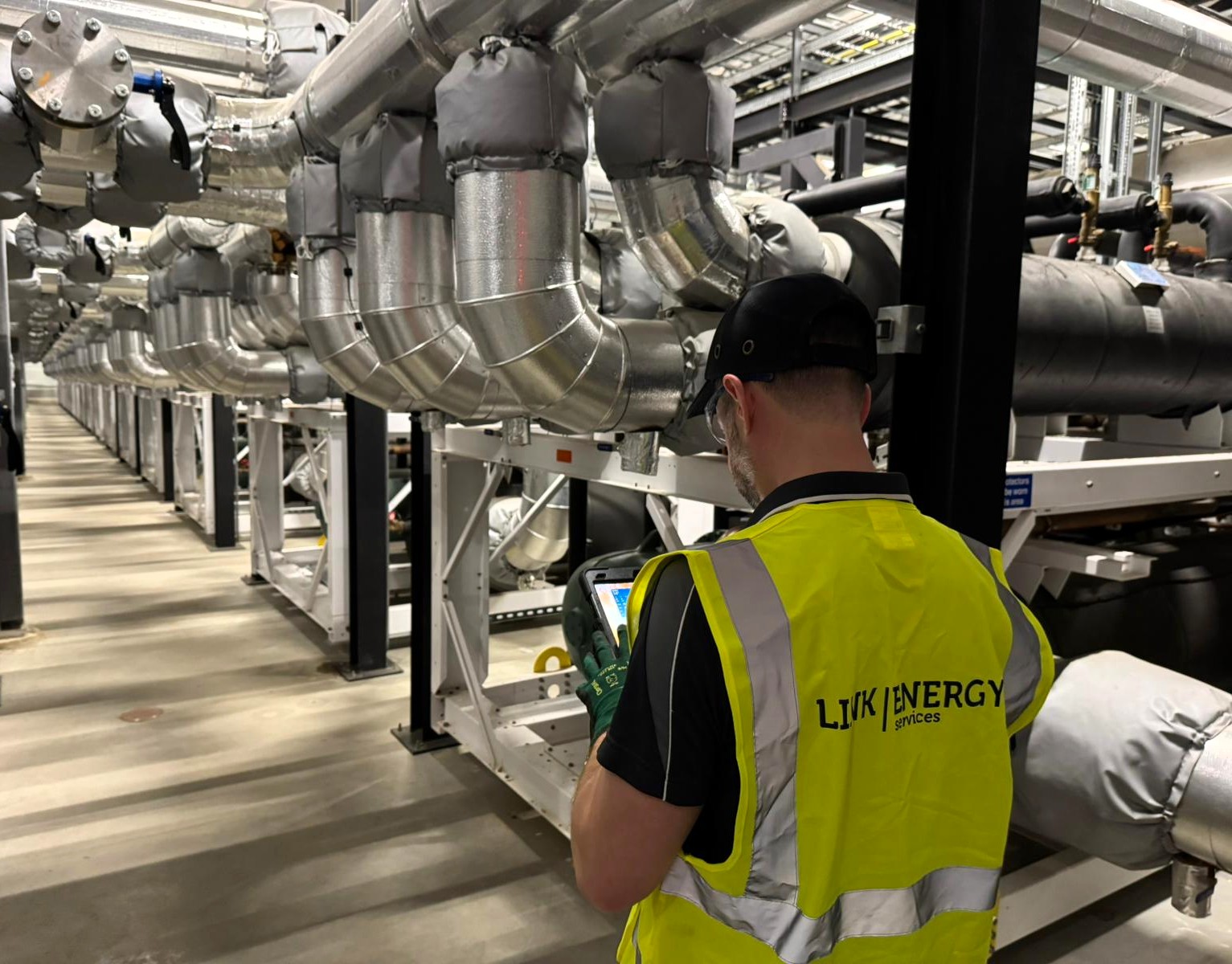
Sometimes called preventative maintenance, Link Energy Services delivers proactive, data-driven maintenance for your energy systems.
Underpinned by a "state-of-the-art" CMMS system which plans, tracks & optimises your assets throughout their lifecycle. Link Energy Services provides a bespoke maintenance regime which also includes 24/7 support, remote monitoring and asset optimisation.
Link Energy Services provides Planned Maintenance Contracts for the following:
Heat Pumps & Chiller Maintenance
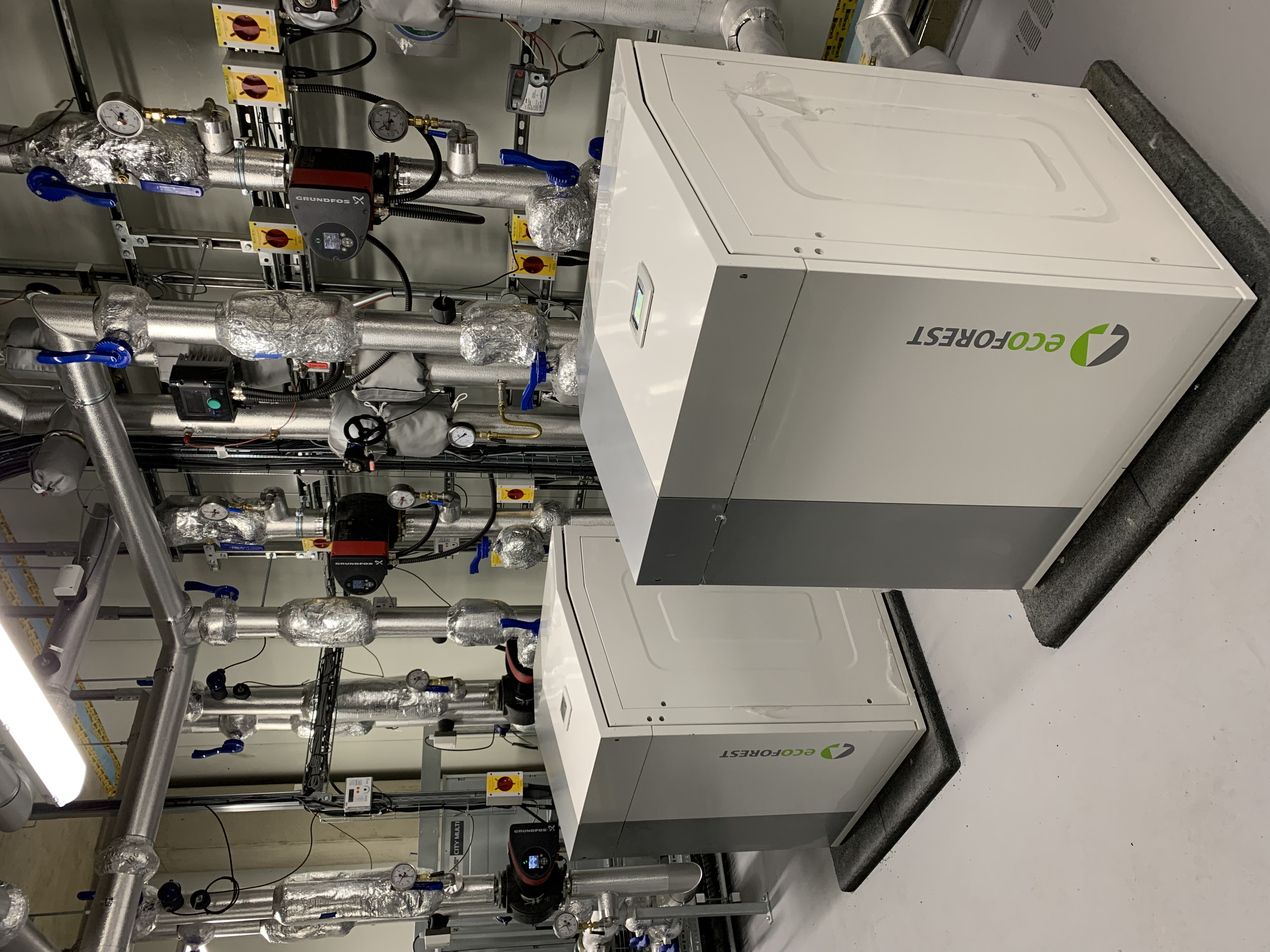
Link Energy Services offer PPM contracts for Heat Pump & Chillers. Link's specialist service team are conversant with most Heat Pumps & Chiller OEM Equipment.
Heat Pump Associated Equipment
Link Energy Services also offers the ability to offer maintenance on Heat Pump associated equipment. Our knowledge covers equipment such as Circulation Pumps, Pressurisation Units, Ground Loops and many more.
Remote Monitoring
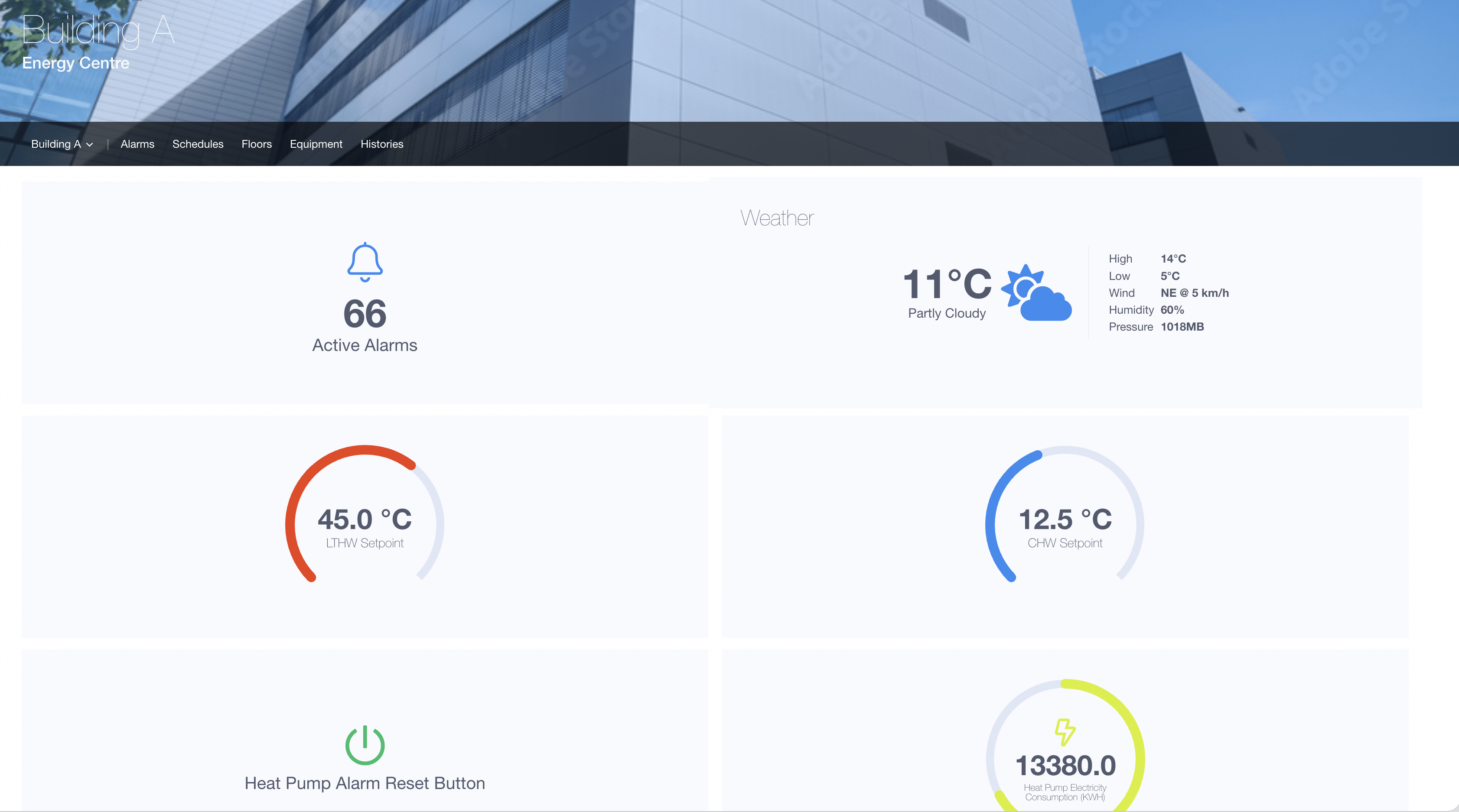
Link Energy Services lets you build smarter maintenance contracts with Remote Monitoring Support. 24/7 alarm monitoring to catch issues the moment they occur. Secure remote control of your heating systems to fine‑tune performance without a site visit. Clear system health reports that highlight faults early, so problems are fixed before they become critical.
Controls
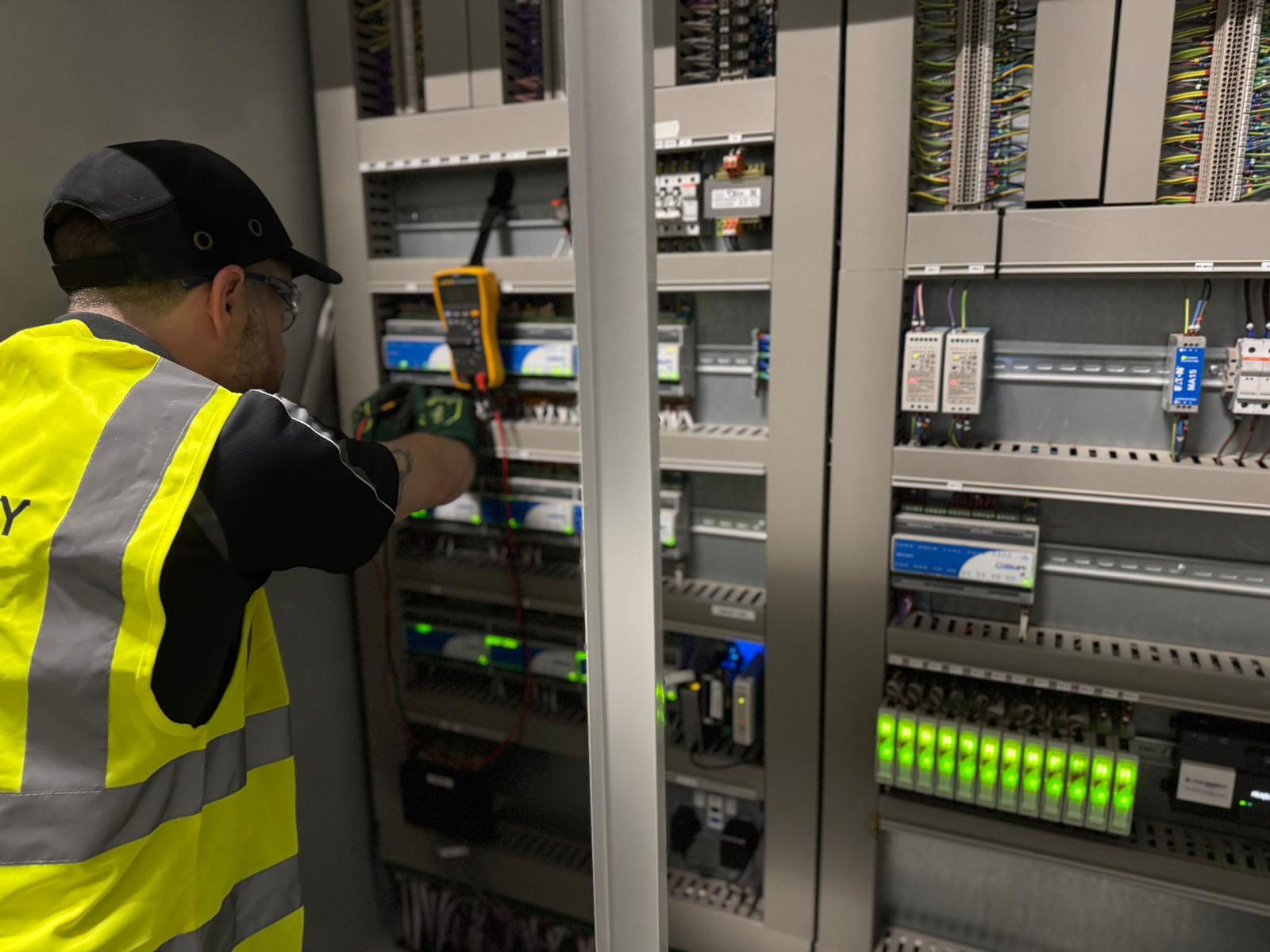
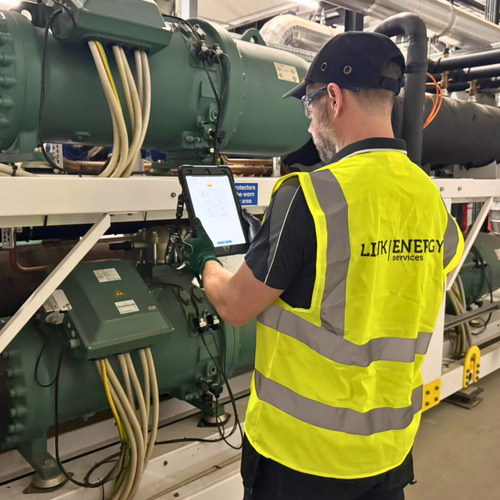
Link Energy Services can support smarter controls PPMs by keeping control equipment maintained, checked, and ready to perform reliably. Regular planned maintenance helps identify sensor drift, communication faults, logic issues, and worn components early, before they cause wider system problems. This proactive approach improves reliability, reduces downtime, and helps ensure control systems continue operating efficiently in line with the intended design.
What We Work With
Equipment
We commission, maintain and integrate a wide range of building energy systems and plant equipment.
Circulation Pumps
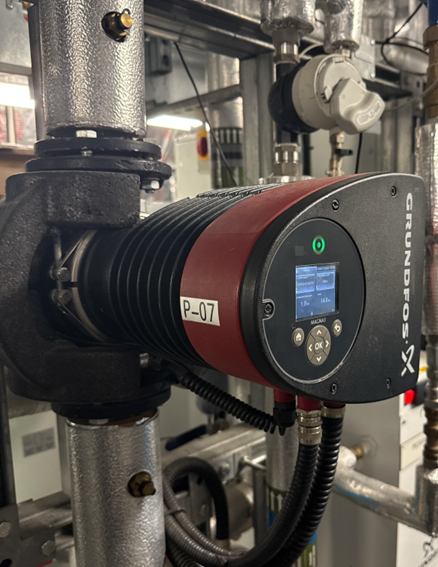
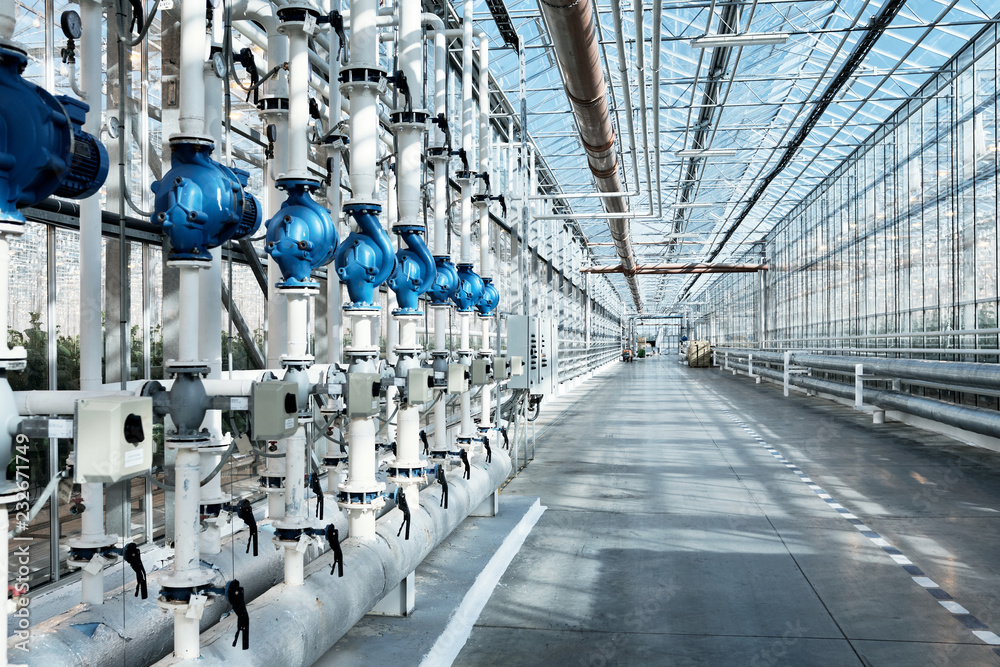
Circulation pumps move heated or cooled water around closed heating and cooling circuits, overcoming pipe and emitter friction losses so that energy from the central plant is delivered evenly throughout the building. They are compact inline centrifugal units, usually installed on the return side of the system, and are designed to run quietly and efficiently with minimal intervention, with routine checks focused on leaks, air removal and basic electrical safety to keep flow rates and system performance within design parameters.
Pressurisation Units
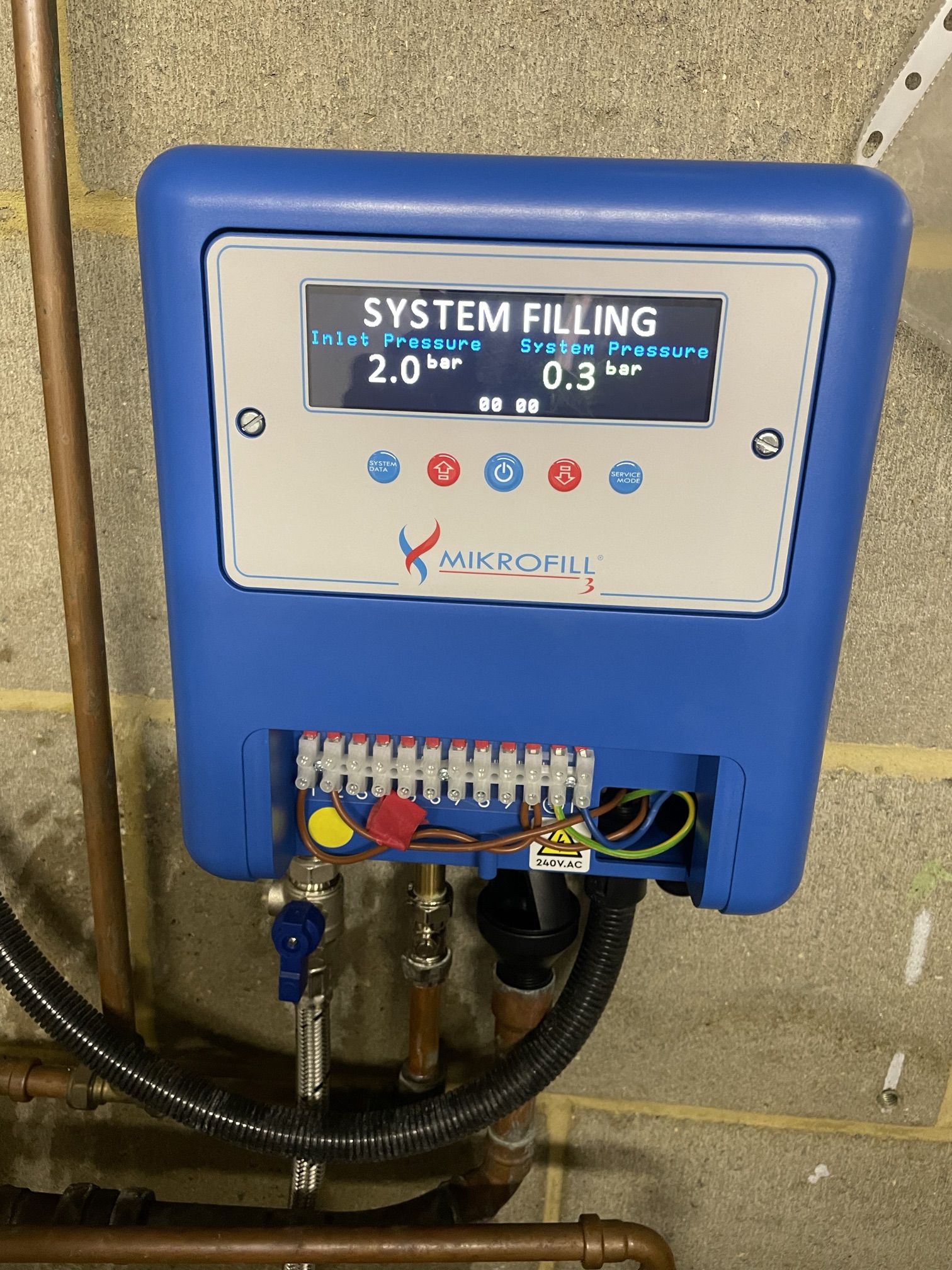
Pressurisation units are used on sealed heating and chilled‑water systems to maintain a consistent fill pressure as the water expands, contracts and experiences small leakage losses over time. By automatically topping up the system and working with a correctly sized expansion vessel, they help prevent air ingress, cavitation and nuisance low‑pressure lockouts, so that pumps, boilers and chillers can operate safely and reliably with only periodic checks on pressures, valves and safety devices.
Chillers
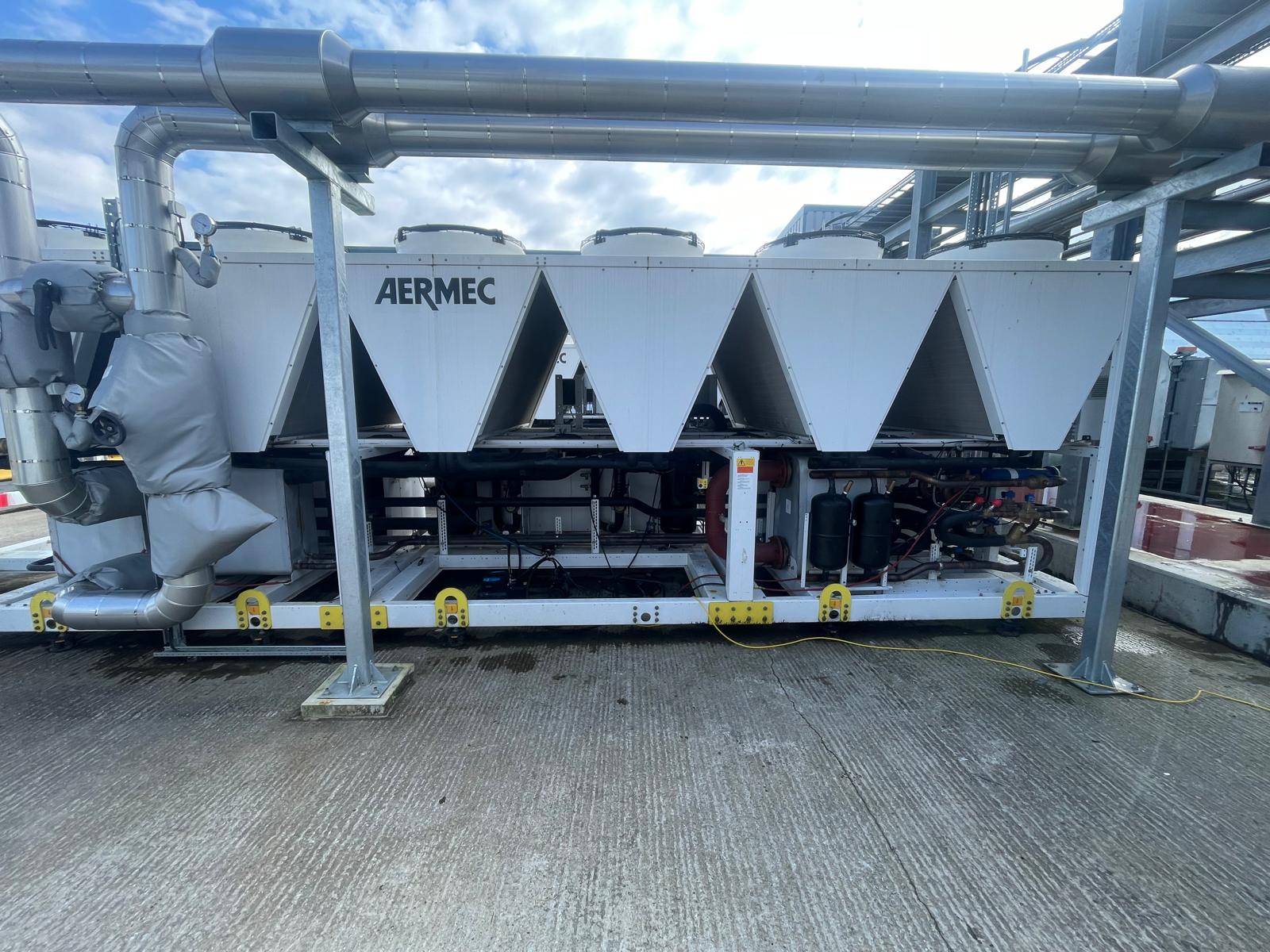
Chillers provide centralised cooling by removing heat from a closed water circuit and rejecting it to the outside air or a separate condensing loop, maintaining a controlled chilled‑water temperature for comfort or process loads. They use a refrigeration cycle with compressors, heat exchangers and expansion devices to deliver chilled water typically in the 6–12°C range, and rely on regular inspection, cleaning of heat‑exchange surfaces and monitoring of refrigerant, oil and controls to sustain efficiency, reliability and service life.
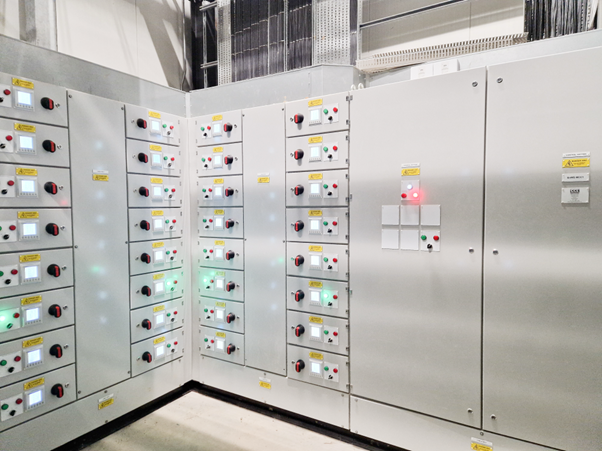
Controls Panels
Control panels act as the central “brain” of the system, coordinating the operation of heat pumps or chillers, circulation pumps, pressurisation units and valves to deliver heating and cooling in line with demand. Built around a dedicated controller or BMS interface, they take inputs from temperature, pressure and flow sensors, apply time schedules and safety interlocks, and issue start/stop or modulation commands to optimise efficiency and protect equipment, with only light routine attention needed to keep enclosures clean, terminations sound and sensor readings and alarms within expected limits.
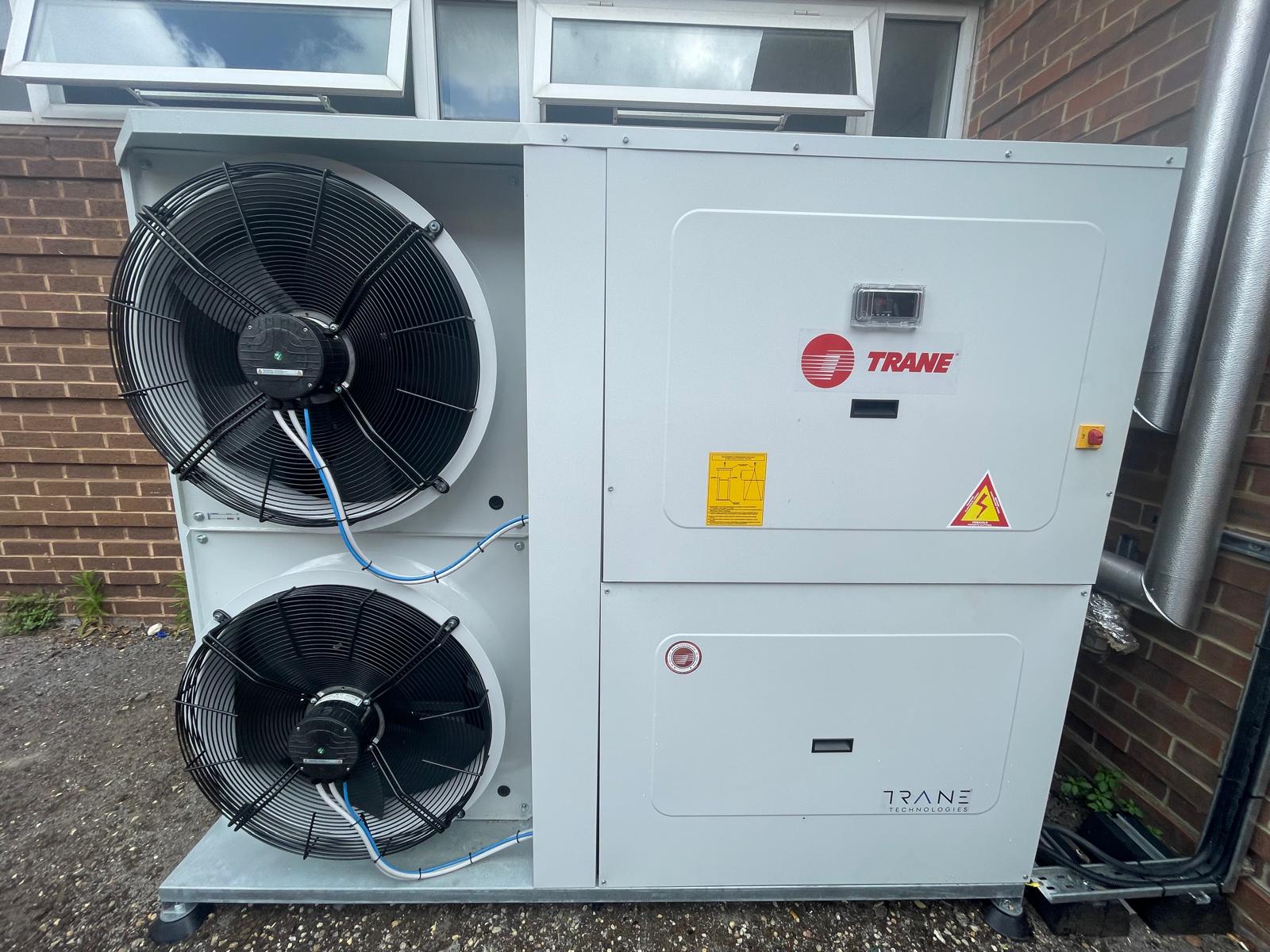
Air Source Heat Pumps
An air source heat pump extracts low‑grade heat from the outdoor air and upgrades it to provide space heating and hot water, even at low ambient temperatures, making it a relatively simple, low‑disruption retrofit option. They are widely used in residential and light commercial buildings as an efficient alternative to gas or direct electric heating.
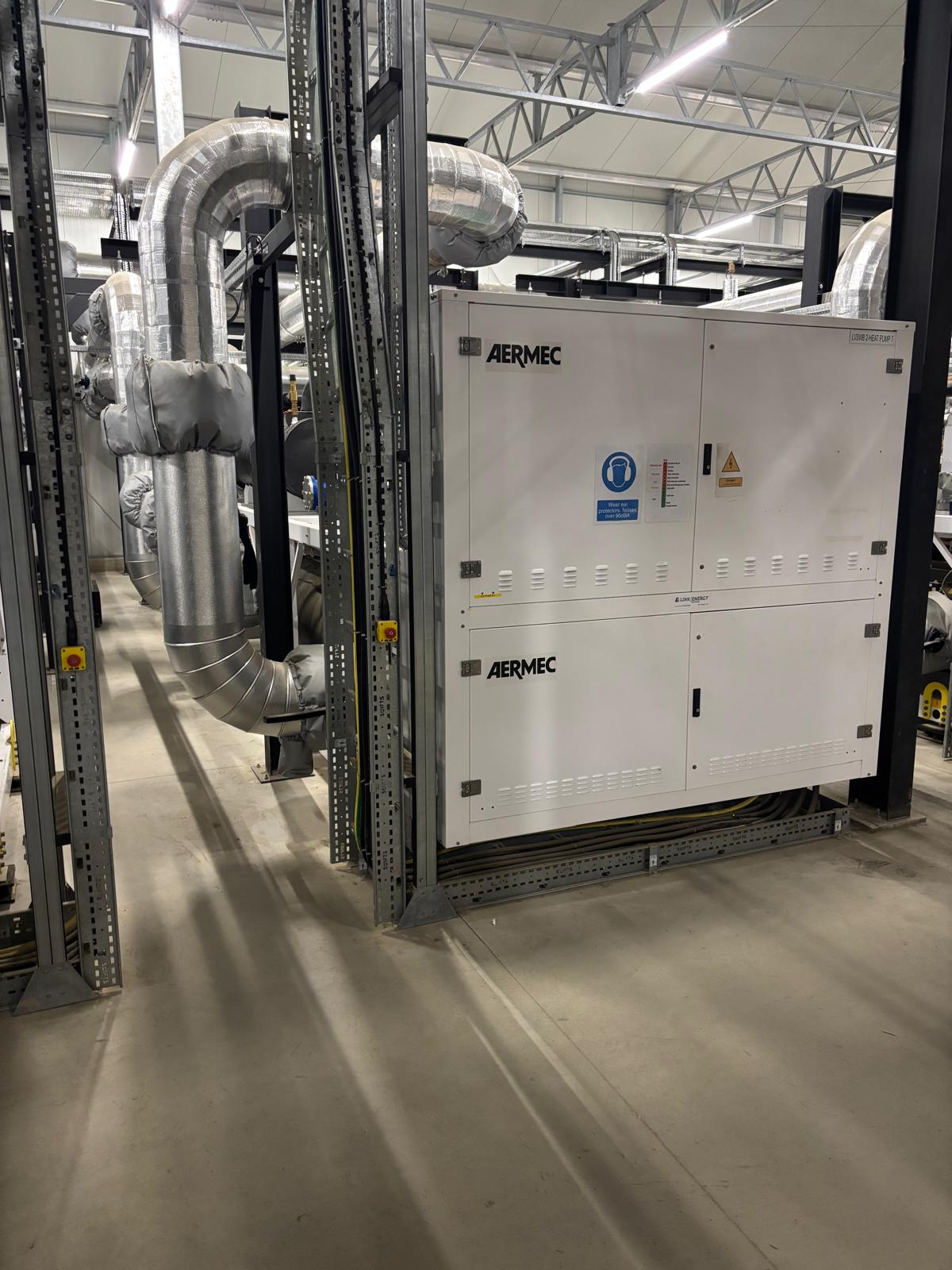
Water Source Heat Pumps
A water source heat pump takes heat from a water loop, lake, river, borehole or other body of water and lifts it to useful temperatures for heating (and often reverses for cooling), benefiting from the stable temperature and good heat transfer properties of water. This typically delivers higher efficiencies than an air source, where a suitable water source or hydronic loop is available.
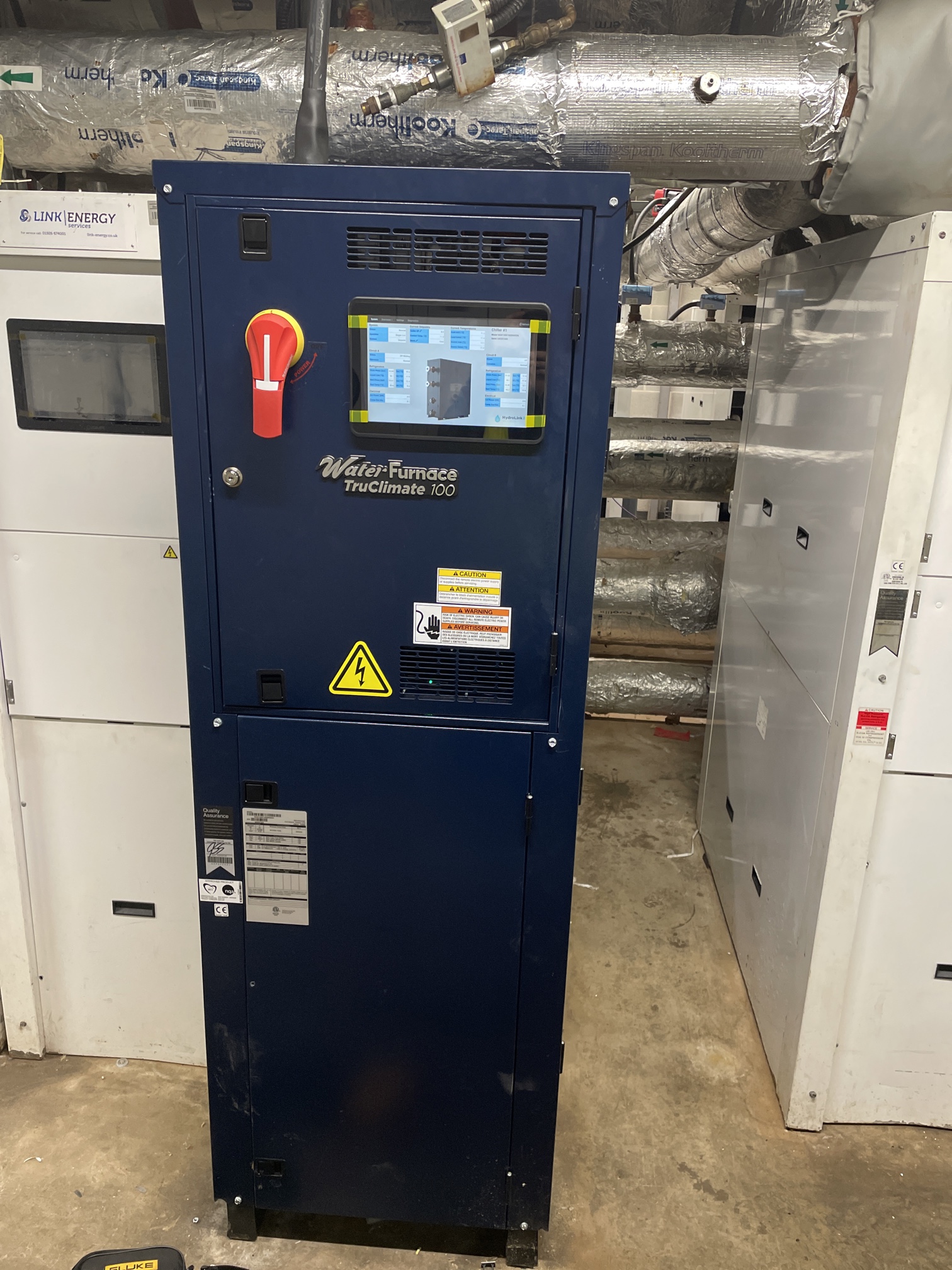
Ground Source Heat Pumps
A ground source heat pump uses buried horizontal collectors or vertical boreholes to draw heat from the ground and upgrade it for space heating and hot water, exploiting the relatively constant sub‑surface temperature. These systems offer excellent seasonal efficiency but require sufficient land or drilling capacity and higher upfront installation effort.

.jpg)